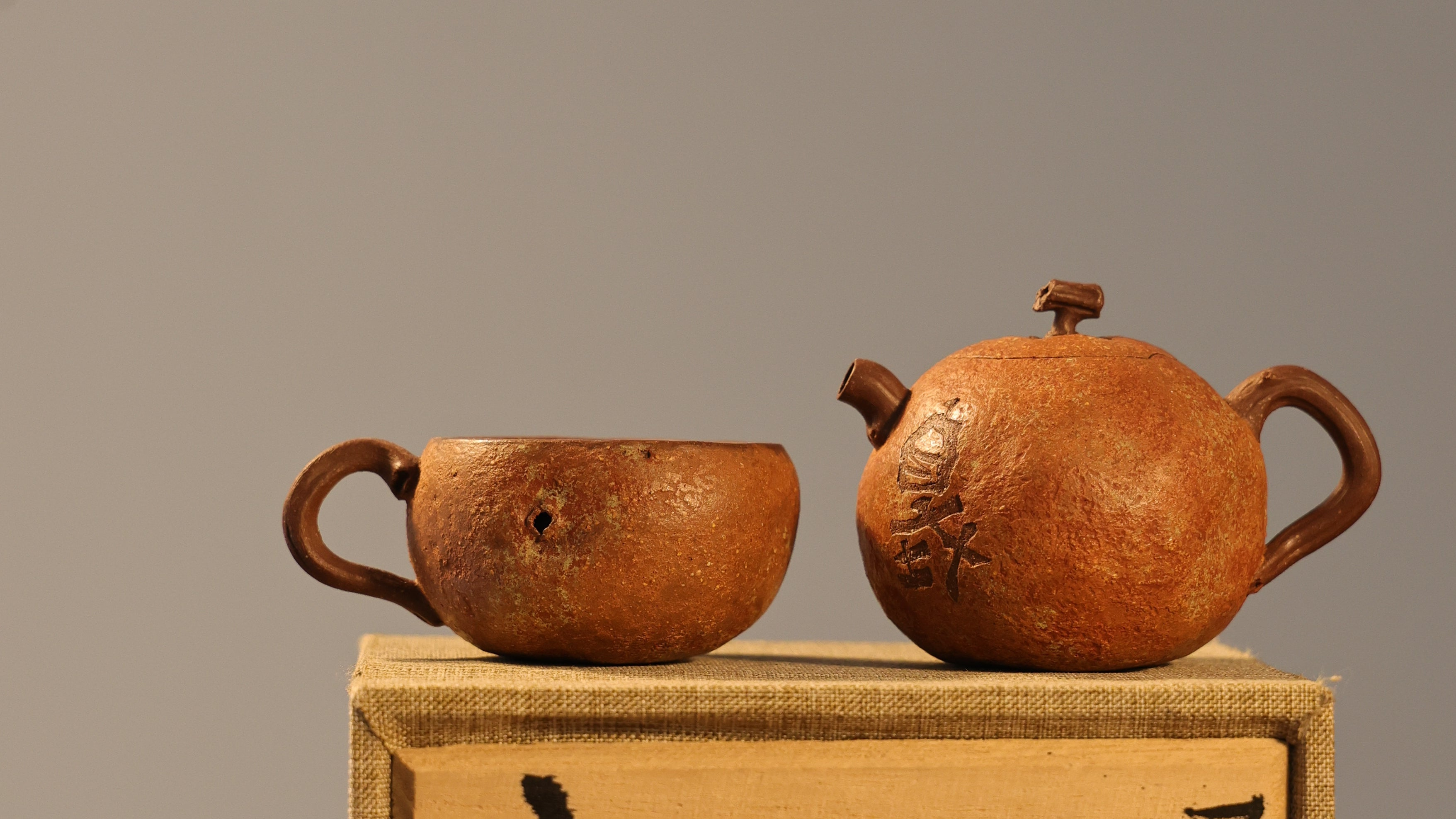
How can a high-end Chinese Teapot collection strengthen your brand’s positioning in luxury tea?
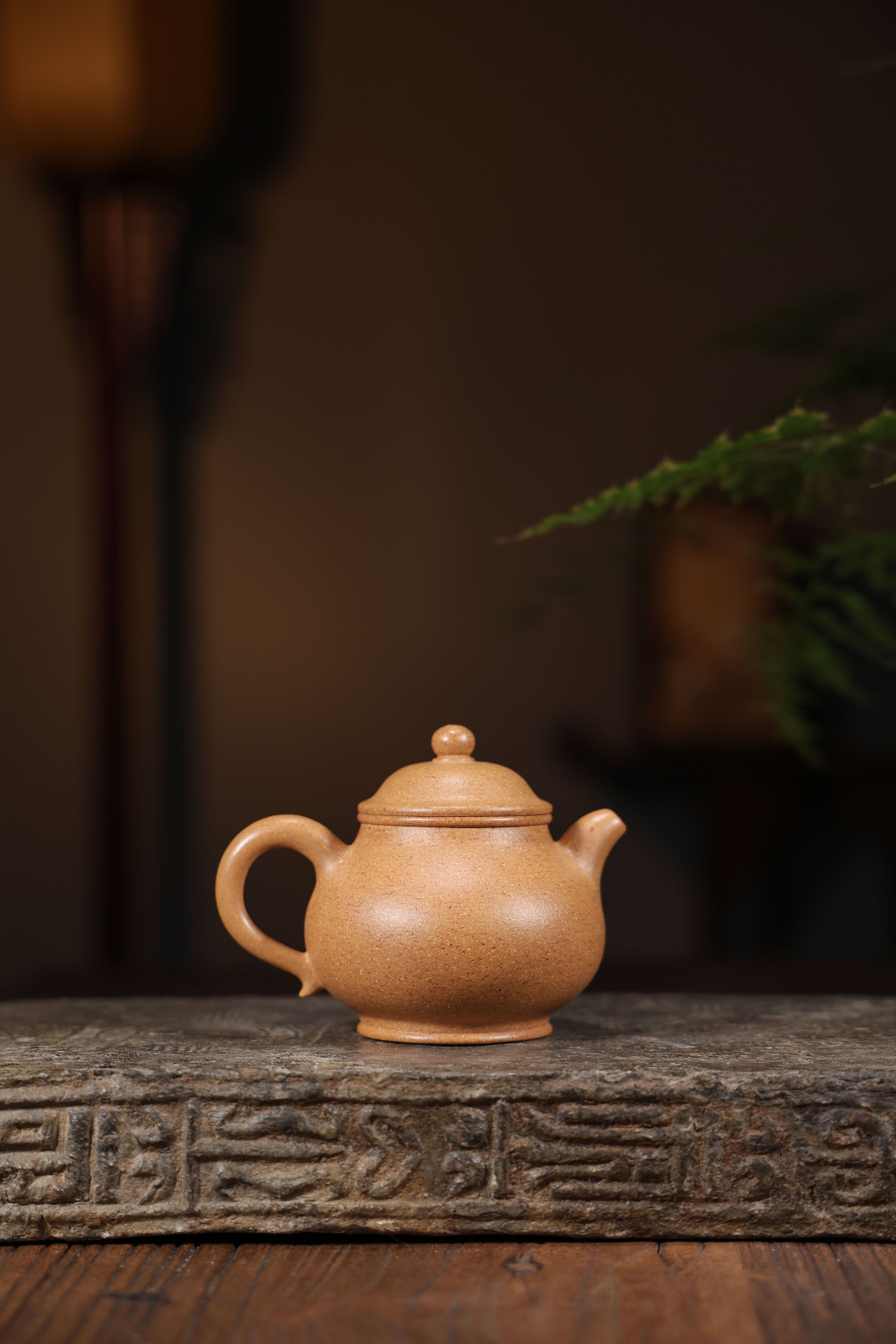
Everlasting history defines Zisha clay vessels within eras,
Showcasing original attributes gathered among territorial lavender substances, such jars build up a luster over usage, enhancing zest gathered from developed concoctions.
Recognizing Yixing Mud: Exhaustive Insights into Zisha
Varied devotees appreciate the distinctive texture of Yixing mulberry clay, a pillar of established Chinese stoneware. Hailing from the Yixing region of Jiangsu province, this exceptional clay boasts an sophisticated mineral configuration, such that imparts outstanding qualities to the realized objects. Kinds within Zisha, including Purple Mud, Duan Ni Mud, and Jiang Xi Mud, each demonstrates particular tones, feels, and curation traits, changing the ventilation and the final accent progression of the brew.
Chinese Jar Practices: Examining Innovation
Oriental teapots embody far more mere urns for beverage; they represent centuries of legacy skill. From the legendary Yixing clay variations, respected for their ventilated nature which infuses individual characters to the beverage, to the precise porcelain from Jingdezhen, each piece tells a legend of devotion. The development process is an detailed journey, often relayed through generations of experts. These craftsmen use established processes such as hand-building, casting on wheels, and adorned, demonstrating profound reverence for the foundation and the practice itself. Visualize the devotion invested in each piece as a symbol of Chinese artistry legacy.
- Purple sand flasks: a classic alternative.
- Jingdezhen ware teapots: valued for their refined design.
- Constructing techniques: a arduous yet fruitful procedure.
Purple Clay Pot Treatment: Protecting Your Esteemed Good
Adequate management of your special Yixing Zisha pot is fundamental to boosting its value. Crafted from famous purple sand compound, these remarkable teapots gain a appealing patina after use, substantially boosting their allure. Withhold washers; a soft rinse with moderate temperature hydrous matter is adequate. Avoid searing water for purifying the teapot, as it may damage its clay. Allow it to become dry away from intense sunshine. Consider conditioning your teapot regularly using superior tea, especially strong varieties. Here is a brief guide:
- Wash with moderately heated hydrating medium.
- Withhold agents.
- Allow it to dry fully.
- Condition with excellent tea.
Origins of Yixing Teapots: From Basic Inception
The narrative of Yixing teapots initiates unassumingly during the Han dynasty, circa the 16th time. Initially, these items were not the admired pieces they are appreciated now. They were formed by territorial potters using the unparalleled purple clay gathered solely in the Yixing vicinity. These early artifacts were predominantly utilitarian, aimed for commonplace employment and often modest in style. It was not until the subsequent dynasty that they started to earn prestige beyond mere working pieces.
Considering the Appropriate Jiangsu Container: A Beginner's Manual
Approaching the arena of Yixing teapots can be discouraging, but never fearing! For beginners, the central factor is understanding the sediment. Legitimate Yixing clay is prized for its ventilation, allowing the teapot to absorb the tea's flavor over time, increasing every making session. Reflect on the form; traditional curved shapes prevail, yet particular preferences hold sway. Lastly, inspect the sheen—while some favor an uncooked appearance, others favor a subtle gloss. Take your time in the procurement process—this is an purchase in a valued piece of fabrication.
Chinese Purple Containers and Their Power on Chinese Concoction Custom
Zisha kettles, produced from Yixing, China, have profoundly molded long-standing Chinese liquid culture. These Yixing clay teapots, prized for their identifiable tone, texture, and exceptional ability to impart a subtle savor to the beverage, symbolize more than mere holders; they are admired objects and symbols of renown. The very habit of preparing and serving infusion using a Zisha teapot is steeped in origin, elevating the experience beyond simple refreshment. Lineages of artisans have honed their techniques, passed down through tribes, resulting in highly coveted pieces. For this reason, Zisha teapots are frequently treasured, playing a crucial part in cultivating Sino appreciation for aesthetics and the process of elixir ceremonies.
- Characteristic Clay Composition
- Adding Subtle Flavor
- Elegant Craftsmanship
Establishing Real Sought-After Eastern Jars
Acquiring a certified Yixing teapot can be a gratifying experience, but the arena is often swamped with fakes. Detecting between a legitimate antique and a up-to-date reproduction requires exacting inspection. Key signs include the clay's auburn shade, often displaying tiger skin marks, and the shortage of modern firing imprints. The design should exhibit natural beauty, reflecting the traditional Yixing style. Finally, investigating the manufacturer's mark is important to verify accuracy against documented examples.
- Assess the clay's pattern.
- Look for anomalies, indicative of handmade quality.
- Ask an appraiser for endorsement.
Acquiring Zisha Containers: A Informative Primer to Pottery Interpretation
The environment of Traditional Zisha teapots provides a exceptional possibility for educated admirers. Increasingly, the worth of these traditional artifacts is guided by diverse considerations, such as the standard of composition, the talent of the builder, the legacy significance, and, naturally, the current market. Newcomers should focus on learning about the various species of Zisha clay—such as Ice River, Tranquil Vessel, Purple Clay Teapot and Scarlet Earth—and researching the traits linked to each. Precise appraisal of the object's contour, pigment, and signature is similarly necessary to make wise solutions when investing.